 Based on over 170 Google Reviews
How to Get a Rental Car After an Accident (and Whether Your Insurance Will Pay for It)
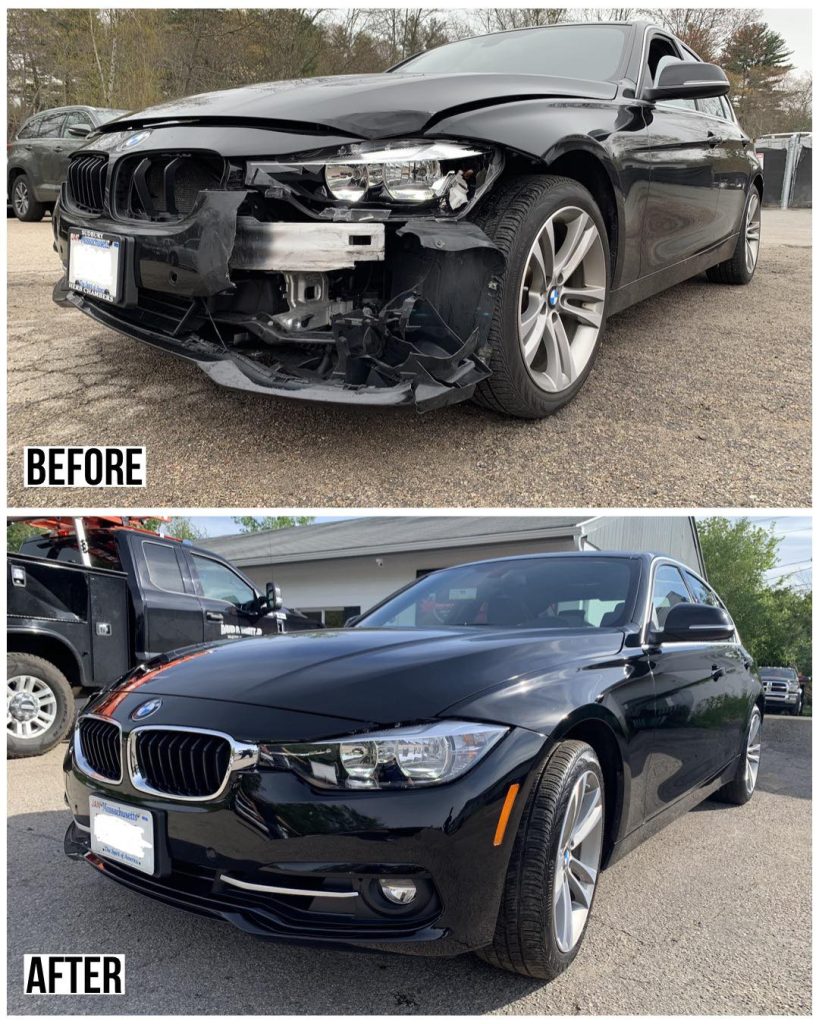
After a car accident, one of the first questions drivers ask is, “Can I use my auto insurance for a rental car?” Transportation becomes a worry almost immediately, especially if your vehicle isn’t drivable or needs time in the shop for collision repairs. Understanding your rental car options—and how rental reimbursement coverage works—can save you time, stress, and unexpected rental car costs.
At APC Auto Body, we help drivers across Massachusetts navigate this process every day. We are here to simplify the process, from filing an insurance claim to arranging a rental vehicle during your car’s repair. Below is a clear breakdown of how to obtain a rental car after an accident and what your insurance company typically covers.
Step 1: Check If You Have Rental Reimbursement Coverage
The first step in figuring out how to get a rental car after an accident is confirming whether your auto insurance policy includes rental reimbursement coverage. This is an optional add-on, and not every driver has it, so it’s worth checking your policy or calling your insurance agent.
If you have rental reimbursement, your insurer will typically cover the cost of a rental vehicle while your car is in the shop for covered repairs. Many policies include both a daily limit and a total limit. For instance, your insurer may cover up to $40 per day for a specific number of days. These limits affect how much of your rental car costs your insurance company will cover.
If your policy doesn’t include rental car coverage, you may need to pay out of pocket for temporary transportation. In some situations, the other driver’s insurance may be responsible for these expenses, depending on fault.
Step 2: File a Police Report and Insurance Claim
Once everyone is safe after the accident, the next step is documenting what happened. Filing a police report gives your insurer the details they need to determine fault, assess property damage, and move your insurance claim forward. It also provides important documentation if you plan to request rental reimbursement or seek payment from the other driver’s insurance.
Once you file the police report, contact your insurance provider immediately. Starting the claims process early helps speed up approval for repairs and any rental car coverage you may have. Many insurance companies allow you to submit photos and claim details online. However, it can still be helpful to speak directly with your insurance adjuster or agent, especially if you’re unsure what your insurance coverage includes.
Step 3: Determine Fault and Insurance Responsibility
Who pays for your rental car after an accident depends on who’s at fault. This is one of the first things your insurance company and the other driver’s insurer will review.
If you’re at fault, your rental reimbursement coverage—if you have it—will be used to pay for a rental vehicle up to your policy limits. Your auto insurance will cover eligible rental car expenses while your vehicle is being repaired.
If the other driver is at fault, their insurance company may be responsible for your rental car costs. You’ll usually need to provide documentation such as the police report, repair estimate, and claim number. Keep in mind that many insurance companies take time to officially accept fault, which can delay approval for a replacement vehicle.
Because acceptance of liability can take several days, some drivers choose to use their own rental car coverage first and let their insurer seek reimbursement from the other party later.
Step 4: Choose a Rental Car Company
Once your claim is underway, your insurer will advise you on where to get your rental vehicle. Many insurance providers partner with major rental car companies, which can simplify the billing process and reduce out-of-pocket expenses.
When you speak with your insurance agent or adjuster, consider asking:
- Can you choose any rental company, or should you use one of their partners?
- Will the rental company bill the insurer directly, or will you pay first and request reimbursement?
- What class of rental car does your insurance coverage allow—compact, mid-size, or something larger?
If you require specific features, such as all-wheel drive for winter driving in Massachusetts, inquire about eligible options in advance to ensure you find the best fit for your needs. Clear expectations up front can help you avoid unexpected rental car fees, as policy limits and availability can impact coverage.
Step 5: Understand What’s Covered (and What’s Not)
Even if your auto insurance policy includes rental reimbursement coverage, it’s important to know exactly what your insurer will and won’t pay for. Most policies cover the basic rental car costs up to the daily and total limits listed in your policy, but there are several expenses that fall outside of that coverage.
Covered items typically include:
- The daily cost of the rental car, up to your policy limit
- The length of the rental while your vehicle is being repaired for a covered claim
However, your insurance company won’t usually cover:
- Insurance or damage waivers sold by rental car companies
- Gas, tolls, or mileage charges
- Upgrades beyond the rental class allowed under your policy
If you’re unsure whether your auto insurance extends to the rental vehicle itself, reach out to your insurance provider for clarification. Getting clear on your insurance coverage ahead of time can help you avoid unexpected rental car expenses.
What If You Don’t Have Rental Reimbursement Coverage?
If your auto insurance policy lacks rental reimbursement coverage, you still have several options to maintain your mobility while your vehicle is undergoing repair. Your choices will depend on fault, your coverage, and what the insurance companies determine during the claims process.
Here are a few options drivers typically consider:
- Pay out of pocket and seek reimbursement if the other driver’s insurance is responsible. If the at-fault driver’s insurer accepts liability, they may cover your rental car expenses—but the process can take time, so be prepared to provide documentation like the police report and repair estimate.
- Use a credit card benefit if your card offers rental car coverage. Terms vary by company, so review the details before relying on it.
- Ask the repair shop about loaner vehicles. Some shops offer limited loaners based on availability.
- Use public transportation or a rideshare service temporarily until your insurance claim is processed or the repairs are complete.
If you’re not sure which route makes the most sense for your situation, we can help you review your coverage and next steps.
Tips for a Smooth Rental Car Experience
A little preparation can make the rental process much easier while you’re waiting for repairs or an insurance claim to move forward. These steps help prevent delays, reduce out-of-pocket rental car costs, and keep your insurer informed throughout the process.
- Document everything. Keep receipts, rental agreements, emails, and any other relevant communications related to your rental car expenses. You may need them if you’re requesting reimbursement from your insurer or the other party’s insurance.
- Ask questions upfront. Your insurance agent or adjuster can explain what your rental car coverage includes—and what it doesn’t.
- Stay within policy limits. If your insurance coverage allows $40 per day and you choose a vehicle that costs more, you’ll be responsible for the difference.
- Return the rental promptly. Your insurer typically covers a rental only until your vehicle is repaired or declared a total loss. Once the decision is made, coverage ends.
Following these steps can help you avoid unnecessary rental car fees and keep the reimbursement process moving smoothly.
Should I Use the Other Driver’s Insurance?
In many accidents, drivers wonder whether it’s better to rely on the other driver’s insurance for a rental car instead of using their own auto insurance. The answer depends on how quickly you need a rental vehicle and how fast the insurance companies determine fault.
There are clear advantages to using the at-fault driver’s insurer:
- You avoid using your own policy limits.
- The at-fault insurer may cover all rental car fees if liability is straightforward.
However, there are also drawbacks to consider:
- It can take time for the other insurer to review the police report, investigate fault, and approve the rental.
- You may need to pay for the rental up front and wait for reimbursement once the insurer accepts responsibility.
Because the approval process can be slow, many drivers opt to use their own rental reimbursement coverage first, especially if they need a rental car immediately. Your insurer can later seek reimbursement from the other party’s insurance once fault is determined.
Don’t Have Coverage? We Can Still Help
Every accident is different, and so is every insurance situation. If you’re unsure whether your auto insurance policy includes rental benefits, or if you’re still waiting for your insurance company to approve a rental, our team is here to help you navigate your options.
Every day, at APC Auto Body, we collaborate with insurance providers and rental car companies to arrange transportation during your vehicle’s repair. Often, we can help arrange pickup and drop-off right at our shop here in Dartmouth, MA, so you don’t have to manage multiple calls or appointments during an already stressful time.
We want to make repairs and rentals easy, so you can stay on the road while we take care of the rest.
Final Steps for Staying on the Road After an Accident
Accidents are stressful, but understanding how rental car coverage works—and knowing whether your auto insurance will pay for a rental—can help you avoid delays, confusion, or unexpected costs. A few simple steps can make a big difference in how smoothly things go.
Here’s a quick checklist to keep in mind:
- Add rental reimbursement coverage to your car insurance policy if you don’t have it
- File a police report after an accident
- Contact your insurance provider right away to start the claim
- Review your policy limits and ask your agent what’s included
- Keep documentation, receipts, and communication related to your rental vehicle
If you’re unsure what your insurance will cover or need help arranging a rental, we’re here to help.
APC Auto Body serves drivers throughout Massachusetts and the South Coast. Contact us today.
