 Based on over 170 Google Reviews
Does Insurance Pay for Paint Damage and Scratches?
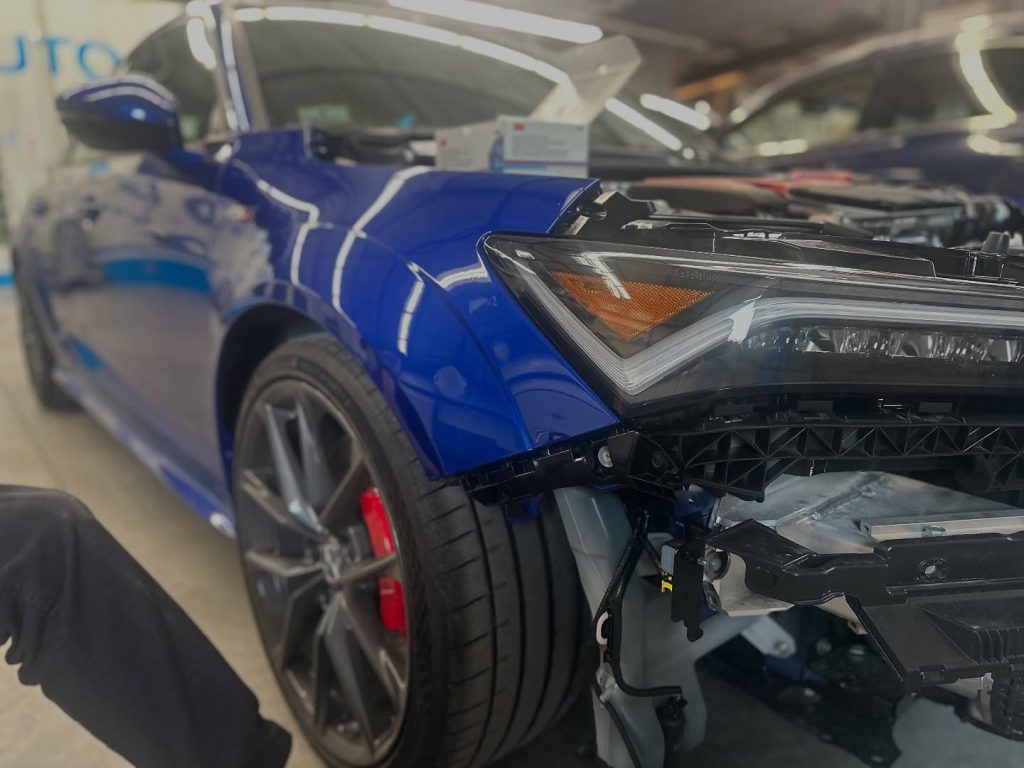
A shopping cart clips your door in a parking lot. A branch scrapes your fender during a South Coast storm. A minor fender-bender leaves a scuff instead of a dent. However the damage happened—whether it’s a fresh scratch or a patch of chipped paint—it raises the same question: Does insurance pay to fix it?
The short answer is that it depends on what caused the vehicle damage and which coverages are on your insurance policy. Here’s how to figure out whether your car paint damage is covered and what to do next.
Key Takeaways
- Liability insurance alone won’t cover your own car—you need collision coverage, comprehensive coverage, or both.
- Collision coverage pays for crash-related damage; comprehensive coverage pays for non-crash events like storm damage, vandalism, or a hit-and-run.
- Normal wear and tear and pre-existing damage typically fall outside your coverage, regardless of which policy you carry.
- Weigh your collision deductible against the repair costs before filing a claim; sometimes paying directly out of pocket makes sense.
- You always have the right to choose your own repair shop, even if your insurance company suggests one.
Does Car Insurance Cover Paint Damage?
In most cases, yes—but only if you carry the right coverage for how the damage happened. Basic liability insurance, which Massachusetts requires, only pays for damage you cause to someone else’s car. It won’t touch your own car’s paint.
To get paint damage covered, you generally need collision insurance, comprehensive insurance, or both, depending on the cause.
Collision vs. Comprehensive Coverage: Which One Applies?
These two optional coverages are add-ons to your car insurance policy, and each handles a different kind of damage.
Collision coverage applies when your car hits another vehicle or object—think fender-benders, sideswiping a mailbox, or backing into a post. Comprehensive coverage, on the other hand, pays for damage that isn’t from a crash: vandalism, hail, falling objects, or a mystery scratch that shows up while your car is parked on a quiet Dartmouth street.
If you’re unsure which comprehensive or collision coverage you carry, your policy details page will list them, or you can call your insurance company to ask.
Is Every Scratch or Dent Covered?
Not necessarily. Car insurance is built to cover sudden damage, not everyday normal wear on your vehicle.
Damage that’s typically covered, with the right coverage in place, includes:
- Scrapes from a collision with another car
- Vandalism, like a keyed door panel
- Storm damage or hail
- Paint transfer from other cars
Damage that’s usually not covered includes:
- Sun fade or clear coat worn thin with age
- Small chips from everyday driving
- Cosmetic damage from careless parking or washing
- Pre-existing damage from before your policy started—insurers generally won’t cover pre-existing damage, so it helps to document your car’s condition when you first get coverage
Everyday exposure to sun, salt, and road grime can also speed up wear and tear on your car’s paint, which matters when you’re trying to tell fresh damage from gradual erosion.
Is It Worth Filing a Paint Damage Claim?
Even when paint damage is technically covered, a collision claim or comprehensive claim isn’t always the right call. A few things are worth weighing first:
- Compare the repair costs to your insurance deductible. If the damage costs less than your collision deductible, an insurance claim may not save you money.
- Consider how a claim could affect your insurance premiums at renewal, especially if the driver caused the accident and doesn’t have accident forgiveness.
- Keep in mind that claims can show up on your vehicle’s history, which may matter if you plan to sell.
For minor scratches or minor paint damage that costs less than your deductible, paying out of pocket is often the more cost-effective choice. This is especially true for drivers who carry higher deductibles to keep their premiums lower.
How to File a Paint Damage Claim
If you decide to move forward with claiming insurance, a few steps will help:
- Document damage with clear photos from multiple angles. This matters even more if the accident could have caused hidden damage beyond what’s visible on the surface.
- Write down when and how it happened while it’s fresh.
- File a police report if another vehicle or an uninsured driver was involved.
- Get a repair estimate from a trusted body shop.
- Contact your insurance company to start the process for your collision claim or comprehensive claim.
Your insurer may recommend a shop from their network, but you’re allowed to choose your own repair shop, even after an insurance-recommended body shop points you elsewhere.
The APC Difference
At APC Auto Body, we’ve been matching factory-accurate paint work for South Coast drivers since 1991. Whether your claim covers a small touch-up or a full paint job across the entire car, our OEM-certified technicians blend new paint repair seamlessly with your car’s existing finish. We also know how to spot and address rust before it spreads on New England’s salted winter roads.
We also work directly with all major insurance providers, so you won’t have to manage the process alone. From documenting damage to the final walkaround, our collision repair team will help you understand what’s covered and what to expect.
Get Your Paint Damage Assessed
If you’re not sure whether your car’s scratches or paint damage is covered, we’re happy to take a look. Contact APC Auto Body in Dartmouth, MA, for a free repair estimate. We’ll assess the cost, work with your insurance company, and get your car looking like new again.
FAQs
Does insurance cover a keyed car?
Yes, if you carry comprehensive insurance. Vandalism, including a keyed door panel, typically falls under comprehensive coverage rather than collision coverage.
Is minor cosmetic damage worth filing a claim for?
It depends on the repair costs versus your insurance deductible and whether you’re comfortable with a claim on your record. Minor damage is often cheaper to pay for directly.
Will my insurance company cover scratches from normal wear and tear?
No. Most policies exclude normal wear and gradual cosmetic damage—coverage is meant for sudden damage, not everyday aging of your car’s paint.
