 Based on over 170 Google Reviews
How Long Does Collision Repair Typically Take? Car Accident Repair Timelines Explained
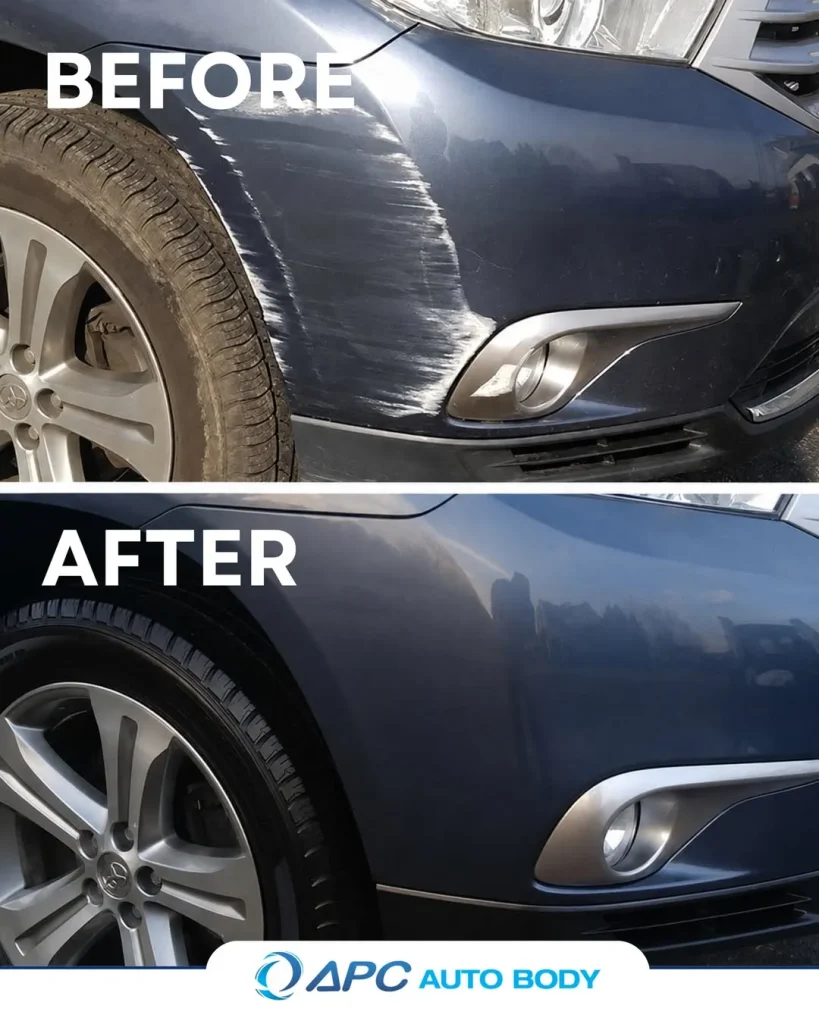
If you’re wondering how long does collision repair take, most repairs can take anywhere from a few days to several weeks, depending on the damage, parts availability, and insurance approvals.
In this guide, we’ll explain what affects collision repair timelines, what local drivers around Dartmouth, MA can expect after a car accident, and how APC Auto Body helps keep repairs moving efficiently.
Key Takeaways
- Minor scratches, small dents, and paint touch-ups may take one to three days, while major collision repairs can take several weeks.
- Parts availability, hidden damage, shop workload, and insurance approvals are some of the biggest factors affecting repair times.
- Bumper repair is often one of the quicker, common repairs unless replacement parts, sensors, or extra paint matching are needed.
- Frame damage, structural damage, and panel replacement can extend the average repair time.
- At APC Auto Body, we help speed things along with experienced repair planning, local supplier relationships, and clear communication.
Understanding Collision Repair and Auto Body Work
Collision repair refers to repairing damage caused by a car accident, impact, or other physical damage to your vehicle. This can include fixing dents, replacing damaged panels, repairing frame damage, repainting surfaces, and restoring structural integrity.
An auto body repair shop focuses primarily on exterior and structural repairs. That includes:
- Dent repair
- Paint matching
- Bumper repair
- Frame straightening
- Panel replacement
- Structural repairs
Mechanical work is different from auto body work. A repair garage or auto repair shop typically handles systems such as the engine, brakes, and suspension, while an auto body shop repairs cosmetic and structural damage after an accident.
At APC Auto Body, we help drivers throughout Dartmouth, New Bedford, Fairhaven, and surrounding South Coast communities navigate the entire repair process after a collision.
Types of Collision Repairs and Average Repair Time
Minor Collision Repairs
Minor damage often includes:
- Minor scratches
- Small dents
- Shallow dents
- Chipped paint
- Paint touch-ups
These types of car repairs usually move quickly because they don’t involve extensive teardown or major structural work.
Major Collision Repairs
Major collision repairs involve more extensive damage, such as:
- Structural damage
- Frame damage
- Quarter panel replacement
- Door replacement
- Replacing structural parts
These repairs require additional labor, inspections, and specialized equipment, which can increase overall repair timelines.
Bumper Repair Timelines
A standard bumper repair may take only one to three days if the damage is cosmetic. However, bumper replacement with sensors, calibration, or extensive paint work can take longer.
Average Repair Time Overview
| Repair Type | Typical Timeline |
| Minor dents and paint touch-ups | 1–3 days |
| Bumper repair | 2–5 days |
| Moderate panel replacement | 1–2 weeks |
| Major structural repairs | 2–6 weeks |
| Extensive frame damage | Several weeks |
Collision Repair Timelines by Repair Type and Complexity
The average repair time depends heavily on the severity of the damage and the complexity of the work involved.
Minor cosmetic fixes, such as repairing small dents or chipped paint, often move quickly because technicians can complete the work without major disassembly or additional parts orders.
Moderate damage involving panel replacement, door replacement, or multiple damaged areas generally takes longer because technicians must coordinate labor, paint preparation, curing time, and replacement components.
Vehicles with frame damage or major structural issues require more extensive repairs, specialized measuring systems, and additional quality inspections before they are ready for delivery.
Several factors can extend timelines beyond the original estimate, including:
- Insurance approvals
- Backordered specialized parts
- Hidden damage
- Heavy shop workload
- Multiple impacted systems
Parts Availability and Its Impact on Repair Timelines
One of the biggest reasons repairs take longer is parts availability.
OEM parts—original equipment manufacturer parts—are designed specifically for your vehicle make and model. Aftermarket parts are produced by third-party manufacturers and may sometimes arrive faster, depending on inventory.
When parts are unavailable or backordered, collision repair timelines can increase substantially. This is especially common for newer vehicles or repairs involving structural parts and electronic systems.
At APC Auto Body, our local supplier relationships throughout Dartmouth and the South Coast region help us source parts efficiently and reduce unnecessary delays whenever possible.
Insurance, Estimates, and Body Shop Workflow
The process typically begins with an initial assessment and estimate. Once your vehicle arrives at the body shop, technicians evaluate visible damage and submit documentation to your insurance company.
Once the estimate has been reviewed, the insurance provider issues approvals, allowing repairs to begin.
However, many car accident repairs require supplemental estimates after teardown because additional or hidden damage may become apparent once damaged panels are removed.
Experienced repair teams can help speed up insurance claims and approvals by:
- Submitting photos quickly
- Communicating directly with adjusters
- Responding quickly to supplement requests
- Providing detailed documentation
This experience can help reduce delays and keep repairs moving forward.
Step-by-Step Car Accident Repairs at an Auto Body Shop
This is what’s involved in the collision repair process:
Step 1: Vehicle Check In and Documentation
Your vehicle is checked in, photographed, and documented for insurance claims and repair planning.
Step 2: Teardown and Hidden Damage Inspection
Technicians disassemble damaged areas to inspect for hidden damage and determine whether more damage lies beneath the surface.
Step 3: Parts Ordering and Repair Scheduling
Once approvals are complete, the shop will order parts and schedule the repair work.
Step 4: Structural Repair, Paint, and Calibration
Technicians complete structural repairs, paint matching, calibration work, and component replacement using specialized equipment when necessary.
Step 5: Final Inspection, Test Drive, and Delivery
Before delivery, every vehicle undergoes a final inspection and test drive to confirm the quality of repairs and safe operation.
Common Delays and Solutions for Collision Repairs
Parts Delays
Backordered or delayed parts are one of the biggest reasons collision repair typically takes longer than expected.
To help minimize delays:
- Ask about estimated delivery times early
- Approve repairs promptly
- Choose a trusted repair shop with strong supplier relationships
Insurance Approval Delays
Some claims take longer when adjusters request supplemental documentation or additional inspections.
You can help keep things moving by:
- Providing claim information quickly
- Staying available for approvals
- Responding promptly to supplement requests
Hidden Damage Discoveries
More severe accidents often reveal hidden damage during teardown.
Although this can extend timelines, identifying all damage is critical for safe and complete repairs. Shops that rush repairs or cut corners may overlook structural issues that affect long-term safety.
Bumper Repair and Paint Work Timing
Most bumper repair jobs are completed faster than major structural repairs because the damaged area is smaller and easier to access.
However, bumper replacement may require additional time for:
- Paint matching
- Paint curing
- Sensor calibration
- Replacement part delivery
Customers should expect additional days when repairs involve parking sensors, advanced driver assistance systems, or specialty paint finishes.
How You Can Help Speed Up Your Car Repairs
There are several ways you can help keep your repairs moving smoothly:
- Provide insurance details as soon as possible
- Review supplemental estimates without delay
- Stay available for authorization requests
- Choose a certified auto body shop
- Ask questions early if you’re unsure about timelines or next steps
Strong communication between the customer, repair shop, and insurance company can help avoid unnecessary slowdowns.
What to Do While Your Car Is in the Body Shop
While your car is being repaired, it’s important to check whether your insurance policy includes rental car coverage.
You can also ask the body shop about:
- Rental coordination assistance
- Loaner vehicle availability
- Completion updates
Drivers around Dartmouth, MA, may also want to consider rideshare services, SRTA transportation, or temporary carpool options if repairs take longer than expected.
Common Challenges With Car Repairs and Fixes
Communication breakdowns are one of the most common frustrations during the repair process.
Regular updates and status checks can help customers feel more informed throughout longer repair timelines. At APC Auto Body, we believe proactive communication is an important part of quality customer care.
Parts substitutions can also create confusion. Some customers expect immediate OEM availability, but supply shortages sometimes require alternate solutions or longer wait times.
Setting realistic expectations early helps make the process less stressful and easier to navigate.
Get Your Collision Repair Process Started With Confidence
If you’ve been asking yourself how long does collision repair take, the answer depends on several factors—including damage severity, parts availability, and the insurance approval process. While some repairs only take a few days, major collision repairs can take significantly longer to complete safely and properly.
After an accident, your next steps should include documenting the damage, contacting your insurance provider, and choosing a trusted auto body shop that communicates clearly throughout the process.
If you need a free estimate after a collision, contact APC Auto Body in Dartmouth, MA. Our experienced team is here to answer your questions, guide you through the repair process, and restore your vehicle with quality work you can trust.
Frequently Asked Questions
How long does a bumper repair take?
A standard bumper repair may take anywhere from one to five days, depending on the severity of the damage, paintwork, and whether replacement parts are needed.
Why do collision repairs sometimes take weeks?
Major repairs often involve structural damage, insurance approvals, parts delays, and unexpected discoveries of hidden damage, which can increase repair timelines.
How long does it take for insurance approval to arrive?
Most insurance approvals arrive within a few days, although more complex claims or supplemental estimates can take longer.
Can hidden damage extend the repair time?
Yes. Hidden damage discovered during teardown is one of the most common reasons repair timelines increase after the original estimate.
