 Based on over 170 Google Reviews
What to Expect During the Collision Repair Process
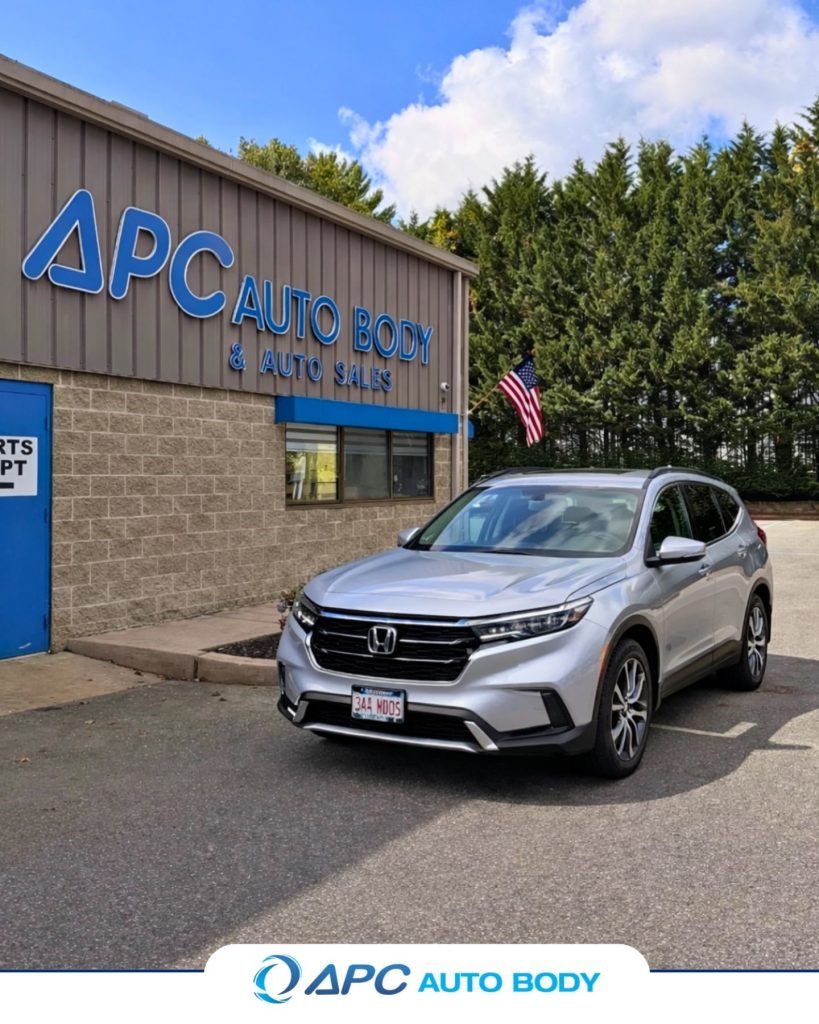
If you’ve recently been in a car accident, it’s completely normal to feel unsure about what happens next. Between working with your insurance company, reviewing collision repair estimates, and choosing the right collision repair shop, the entire collision repair process can feel overwhelming.
At APC Auto Body, we help South Coast Massachusetts drivers navigate the auto collision repair process every day. Our goal is to restore your damaged vehicle safely and return it to pre-accident condition while keeping you informed at every stage of the repair process.
Here’s what you can expect from start to finish.
Key Takeaways About the Collision Repair Process
- The collision repair process typically includes inspection, teardown, structural correction, refinishing, and final delivery
- Hidden damage discovered during repairs can affect timing and repair costs
- Modern vehicles often require calibration of advanced safety features after auto collision repair
- Choosing a reliable collision center helps confirm repairs follow factory specifications
- Keeping copies of all the necessary paperwork protects your vehicle’s service history
Step 1: Initial Evaluation and Vehicle Intake
Every auto body repair process begins with a detailed initial evaluation of your vehicle.
During intake, certified technicians perform a full visual inspection, document damaged panels, scan electronic systems, and review key mechanical components. This documentation supports your insurance claims and helps determine the full scope of required repairs.
It also allows technicians to identify early signs of hidden damage that may not be visible right away.
Step 2: Collision Repair Estimates and Insurance Coordination
Once the inspection is complete, we prepare detailed collision repair estimates outlining parts, labor, and recommended procedures.
If your repair involves an insurance adjuster, we manage communication with your insurance provider, submit documentation for insurance approval, and help move the claims process forward as efficiently as possible.
This coordination helps prevent delays and keeps the repair process moving smoothly.
Step 3: Vehicle Teardown and Hidden Damage Discovery
After approvals are complete, it’s time for vehicle teardown.
Removing exterior panels allows technicians to check for additional concerns, such as:
- Frame damage
- Misaligned mounting points
- Compromised reinforcement structures
- Damaged mechanical components
- Issues affecting electronic safety features
If additional hidden problems appear, we document everything and submit updates to your insurance company before continuing repairs.
Step 4: Structural Repair and Body Work
If the collision affected your vehicle’s structure, technicians perform precise structural repair using manufacturer-approved procedures and an electronic measuring system.
This stage may include:
- Restoring factory dimensions
- Completing necessary structural corrections
- Installing replacement parts or OEM parts
- Reinforcing critical structural mounting areas
- Applying corrosion protection to repaired sections
Maintaining proper structural integrity helps confirm your vehicle performs safely in real-world conditions.
Step 5: Auto Body Repair and Panel Restoration
After structural repairs are complete, attention shifts to visible auto body repair.
Technicians repair or replace damaged panels, reshape metal surfaces, apply body filler where needed, and restore alignment across affected repaired areas.
This stage prepares the vehicle for professional automotive refinishing.
Step 6: Paint Preparation and Automotive Refinishing
Professional paint preparation ensures repaired surfaces blend seamlessly with the rest of the vehicle.
This process includes sanding, priming, computerized color matching, and controlled-environment paint refinishing. Proper automotive collision repair techniques restore both appearance and durability.
Step 7: Mechanical Repairs and Safety System Calibration
Some collisions affect more than exterior panels. Additional mechanical repairs may be required before delivery.
These may include:
- Suspension adjustments
- Steering corrections
- Sensor recalibration
- Alignment verification
- Inspection of advanced safety features
Addressing these systems supports occupant safety after a small collision or a more significant impact.
Step 8: Reassembly, Quality Control, and Final Inspection
Before delivery, technicians carefully reassemble the vehicle and complete a thorough final inspection.
This process includes:
- Verifying panel fit and finish
- Confirming electronic system operation
- Checking steering and braking response
- Performing a controlled test drive
- Completing multi-point quality control checks
These steps help confirm repairs meet both industry expectations and car manufacturers’ standards.
Step 9: Delivery and Repair Documentation
After completing the repairs, we thoroughly review all the work done and provide you with documentation for your records.
Keeping repair paperwork helps:
- Support future insurance claims
- Verify compliance with factory specifications
- Maintain resale value
- Track completed necessary repairs
Work With a Reliable Collision Center You Can Trust After an Accident
Understanding the collision repair process makes the experience less stressful and helps you make confident decisions about your vehicle.
Whether your car needs minor paintless dent repair, extensive structural repair, or full auto body restoration, working with experienced technicians helps protect your vehicle’s safety and long-term value. For more than 30 years, our team at APC Auto Body has helped drivers across Dartmouth and the South Coast Massachusetts area navigate repairs with clear communication, expert workmanship, and dependable results.
If you have questions about repair costs, timelines, or choosing the right collision repair shop, contact APC Auto Body today to schedule a free estimate or speak with our team.
Frequently Asked Questions About the Collision Repair Process
How long does the collision repair process take?
Most collision repair timelines depend on the severity of damage. Minor repairs may take a few days, while larger repairs involving structural damage or multiple panels can take several weeks.
What happens if hidden damage is found during the repair process?
If additional hidden damage appears during vehicle teardown, technicians document the issue and submit updates to your insurance company before continuing work.
Will my insurance provider cover all necessary repairs?
Coverage depends on your specific insurance provider and policy details. Most insurers approve repairs directly related to the accident once documentation is submitted.
Are OEM parts used during auto collision repair?
At APC Auto Body, we use original equipment manufacturer (OEM) components to help restore vehicles closer to pre-accident condition and support long-term performance and safety.
