 Based on over 170 Google Reviews
Do You Have to Use the Auto Body Shop Your Insurance Company Recommends?
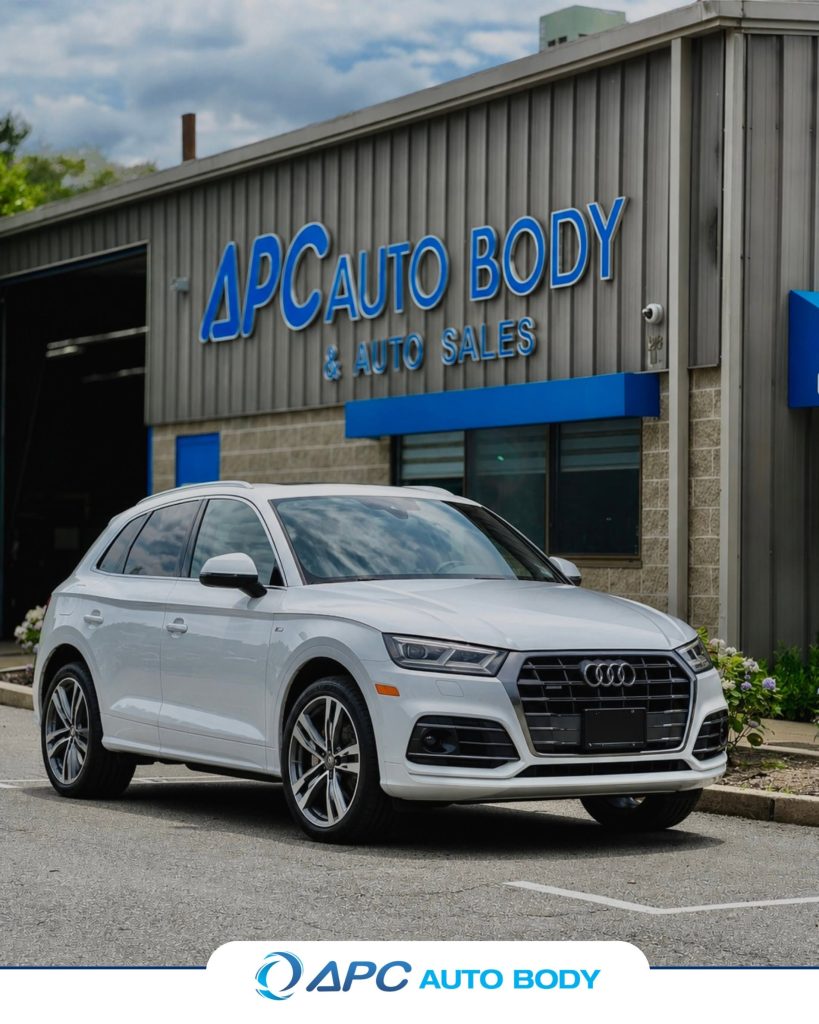
If your insurance company gives you a list of “recommended” auto body shops after a car accident, it can feel like you’re supposed to pick one of them.
But do you have to use the body shop your insurance company recommends? In most cases, no. You can ask questions, compare your options, and choose a qualified collision repair shop you trust. What matters is making sure the repair is documented properly, approved through the claim, and completed with your vehicle’s safety in mind.
Here’s what South Coast drivers should know before deciding which shop to use.
Key Takeaways
- You typically do not have an obligation to use the body shop your insurance company recommends.
- Insurance-preferred shops may be convenient, but convenience shouldn’t be the only factor.
- Your choice should come down to quality, communication, certifications, and trust.
- Ask whether the shop can handle supplements, hidden damage, paint matching, and calibration needs.
Why Does Your Insurance Company Recommend Certain Body Shops?
After a claim, your auto insurance company may suggest one or more repair shops. These are often part of a preferred repair network, which means the shop has an existing relationship with the insurer.
That relationship may help with communication, estimates, approvals, and payment processing and, for some drivers, make the process feel easier.
A recommendation is not a requirement. A preferred auto body shop may be a good option, but it should still earn your confidence like any other repair facility.
What Should You Consider Before Choosing a Shop?
After a crash, it’s easy to focus only on speed. You want your car back, your rental handled, and the claim finished.
That’s understandable. But auto body repair is about more than making the damage look better. A good body shop should also understand structural repairs, paint matching, parts selection, and the safety systems built into modern vehicles.
Before choosing a repair shop, ask questions like:
- Does the shop work on your vehicle’s make and model?
- Do they explain the estimate clearly?
- Can they handle hidden damage if it’s found during teardown?
- Will they assist with insurance communication?
- Do they stand behind their repairs with a warranty or guarantee?
- Are they experienced with paint matching, sensors, and calibration?
A shop that communicates clearly up front helps prevent confusion and keeps the process on track.
Is an Insurance-Recommended Shop Always the Best Choice?
Not always. Some shops recommended by insurers do excellent work. Other shops may be chosen because they deal well with the insurer’s process, pricing structure, or network requirements—not necessarily because they deliver the best repairs.
The short answer is this: the best shop for your repair is the one that can properly assess the damage, document what needs to be fixed, explain the process, and prioritize your vehicle’s safety. Unlike some shops that may cut corners to save money or move faster, a quality body shop will focus on doing the job right. If that shop is on the insurer’s list, great. If it’s not, you can still ask about using your preferred repair shop—most insurers won’t force you to go somewhere you don’t trust.
What If Your Insurance Company Pushes Back?
If you want to use a shop that isn’t on the recommended shop list, the insurance company may ask for an estimate or additional documentation. That’s normal, and a good collision repair shop can help by providing photos, repair notes, and supplemental information when it discovers additional damage. This is a standard part of the collision repair process, and experienced shops handle it regularly.
An experienced shop will know how to document the work properly so your claim can move forward without unnecessary delays.
How to Compare Body Shops After an Accident
If you’re deciding between an insurance-recommended shop and another local body shop, compare them on the things that actually affect your experience.
Look for clear communication, collision repair experience, help coordinating with insurance, strong local reviews, quality paint and refinish work, and a team that takes your concerns seriously. Customers deserve to feel confident about where their car is being repaired, and you should never feel rushed into a decision you don’t fully understand.
It’s also worth asking whether the shop holds certifications that reflect training and quality standards—things like ASE certification and OEM certification signal that a shop has invested in doing the work correctly. You can learn more about what collision repair shop certifications mean and why they matter when comparing your options.
A trustworthy shop will speak plainly, explain your options, and help you move forward without pressure.
The APC Auto Body Difference
At APC Auto Body, we know a car accident can turn your week upside down. You may be dealing with claim questions, rental car arrangements, damage estimates, and uncertainty about what comes next.
Our team helps drivers throughout Dartmouth, New Bedford, Fairhaven, Westport, Fall River, and the South Coast navigate the collision repair process with less stress. We focus on honest communication, quality auto body repair, and helping you understand what your vehicle needs before work moves forward. And unlike shops that leave customers guessing, we’ll walk you through every step—from the initial estimate to the final repairs—so you always know where things stand.
Choose a Repair Shop You Trust
After a car accident, you should feel comfortable with the people fixing your vehicle. Insurance recommendations can be helpful, but they shouldn’t replace your questions, research, or confidence in the shop.
If you need collision repair in Dartmouth, MA, or the surrounding South Coast area, contact APC Auto Body. We’ll walk you through the process and help you move forward with confidence.
FAQs About Insurance-Recommended Body Shops
Do you have to use the body shop your insurance company recommends?
In most cases, no. You can ask about using your preferred repair shop, and a reliable shop will assist you through the process.
Will insurance still pay if I choose my own body shop?
Coverage depends on your policy, claim, estimate, and approval process. The repair shop may need to provide documentation, photos, or additional information to support the repair plan. Most insurers will still pay when the shop meets their documentation requirements.
Is a preferred body shop faster?
Typically, a preferred body shop may have a more streamlined process with the insurer, but repair time depends on many factors, including damage severity, parts availability, hidden damage, and shop scheduling. Speed shouldn’t come at the expense of quality—most people are better served by a shop that gets it right than one that gets it done fast.
