 Based on over 170 Google Reviews
Winter Auto Collision Risks: What Massachusetts Drivers Need to Know
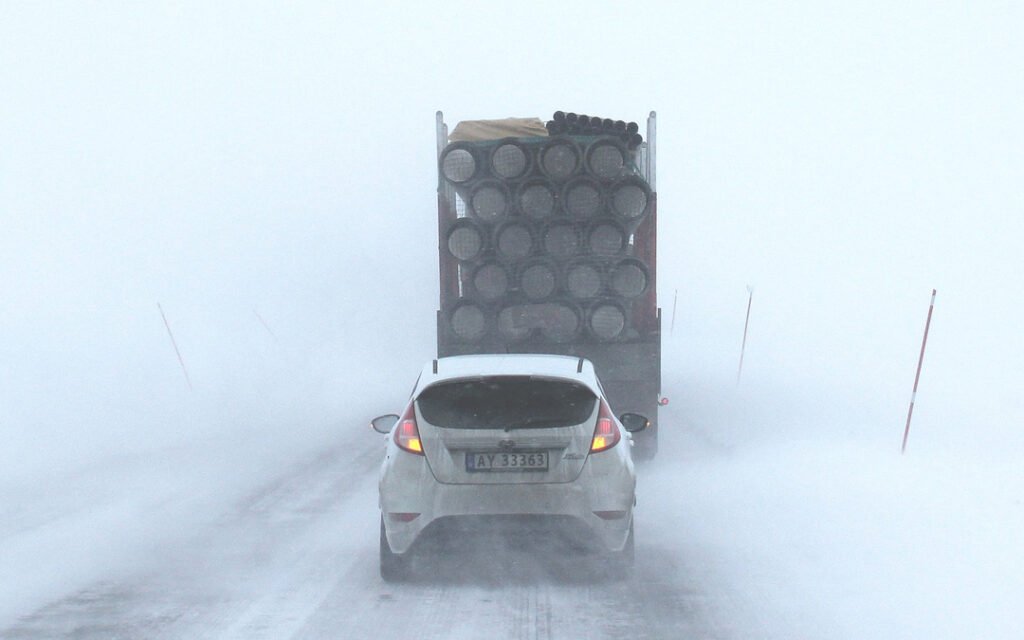
Driving in Massachusetts during the winter months comes with real risk. Between icy pavement, sudden storms, and limited visibility, winter weather conditions contribute to a rise in weather-related vehicle crashes every year. At APC Auto Body, we see how quickly winter driving challenges can turn an everyday commute into a car accident, even for experienced drivers.
In this guide, we’ll walk through the most common winter auto accident risks, how drivers can reduce their exposure to danger, and what to do if an accident occurs despite careful preparation.
Why Winter Accidents Happen More Often
Across the winter season, vehicle crashes increase as roads become slick and unpredictable. Icy surfaces, black ice, and heavy snow reduce traction and extend stopping distance, making it harder to control the brake pedal, maintain following distance, or respond quickly to changing road conditions.
In snowy regions like Massachusetts—where many areas see more than five inches of snow annually—drivers face unique challenges. Even well-maintained vehicles are vulnerable during wintry conditions, especially when speeds exceed posted speed limits.
Common contributors to winter collision risks that Massachusetts drivers face include:
- Icy pavement and black ice, especially on bridges, shaded roads, and off-ramps
- Poor visibility caused by blowing snow, fog, or early sunsets
- Cold weather that impacts tire pressure, batteries, and reaction time
- Carbon monoxide poisoning, a hidden danger during long idling periods or in an enclosed space when snow blocks the exhaust pipe
Common Winter Hazards That Lead to Collisions
Local drivers deal with a mix of hazards that make winter travel unpredictable. Watch for:
- Sudden snow buildup that hides lane markings or bright markers
- Snowplows and salt trucks that create blind spots or leave slick residue
- Reduced braking ability on icy roads and in icy conditions
- Unexpected black ice on ramps, side streets, and underpasses
- Distracted drivers navigating with fogged windows or snow-covered windshield wipers
These dangerous driving conditions increase the likelihood of rear-end collisions, vehicles sliding off the road, or multi-car accidents during peak travel times.
Winter Driving Tips to Reduce Your Risk
Preparation is one of the most effective winter driving tips for staying safe.
1. Check Tire Pressure and Tread
Checking tire pressure is essential during cold snaps. Low pressure or worn tread reduces grip on icy surfaces, increasing stopping distance.
2. Maintain Your Vehicle
Confirm that brake lights, turn signals, interior lights, and windshield wipers are working properly. Check the charging system, gas tank, and coolant levels. If you drive an electric vehicle, monitor battery performance in cold temperatures.
3. Carry a Winter Emergency Kit
Keep these items in your car at all times:
- Ice scraper
- Kitty litter or other abrasive material for traction
- Jumper cables
- Spare tire
- Warning devices such as flares or reflective triangles
- Warm layers, heavy coats, gloves, and place blankets for extra warmth
- A cell phone charger and your owner’s manual
4. Drive Slower and Leave Extra Space
Drive slower, ease into turns, and increase your following distance. Sudden movements on slick roads are a leading cause of winter accidents.
5. Stay Informed Before You Go
Check local weather, traffic reports, and current road conditions before traveling. Planning around storms and untreated roads can help protect you and your loved ones.
What to Do After a Winter Car Accident
If a winter accident happens, focus on safety first:
- Stay calm and stay safe: Move your vehicle out of traffic if possible and turn on emergency flashers.
- Check for injuries: Call for help if anyone is injured.
- Document the scene: Take photos of damage, road conditions, and weather factors.
- Contact authorities: Reporting the crash helps protect everyone involved.
- Notify your insurance company: Start the claims process promptly.
- Call APC Auto Body: Once it’s safe, we’ll assess the damage, explain needed repairs, and guide you through the next steps.
Be Prepared for Winter Driving in Massachusetts
We can’t control snow, ice, or cold weather, but we can prepare for it. Safe habits, proper vehicle maintenance, and thoughtful planning reduce your risk during the winter months.
At APC Auto Body, we help South Coast drivers recover from winter collisions every year. Whether it’s a minor slide on icy pavement or more extensive damage after heavy snow, our certified technicians are here to restore your vehicle safely and efficiently.
If you need help after a winter car accident, reach out to our team or stop by for an estimate—we’re ready when you need us.
Winter Auto Collision FAQs
Do winter tires really make a difference in icy conditions?
Yes—winter tires significantly improve traction, braking, and control on icy and snowy roads. They’re designed with softer rubber compounds and deeper tread patterns that stay flexible in cold weather, helping vehicles grip icy pavement and snowy surfaces more effectively than all-season tires during winter driving.
Can snow and ice interfere with my car’s safety systems?
Yes—snow and ice can block sensors, cameras, and lights that many safety systems rely on. When these components are obstructed, features like collision warnings, backup cameras, and even brake lights may not work as intended, increasing risk in dangerous driving conditions.
Does cold weather affect how child car seats work?
Yes—cold weather and bulky winter clothing can affect how securely a car seat fits. Heavy coats can prevent harnesses from tightening properly, which reduces protection. It’s safer to secure children in their car seats first, then add blankets or warm layers over the straps.
Is it safe to warm up my car for long periods in winter?
Not always—idling too long can be dangerous if snow blocks the exhaust system. When a vehicle runs in an enclosed space or with a blocked exhaust pipe, carbon monoxide can build up, increasing the risk of carbon monoxide poisoning, especially during heavy snow.

Recent Posts
- « Previous
- 1
- 2